Tick Bite Aftercare in the NJ Highlands: The First 48 Hours (Removal, Watching & When to Call)
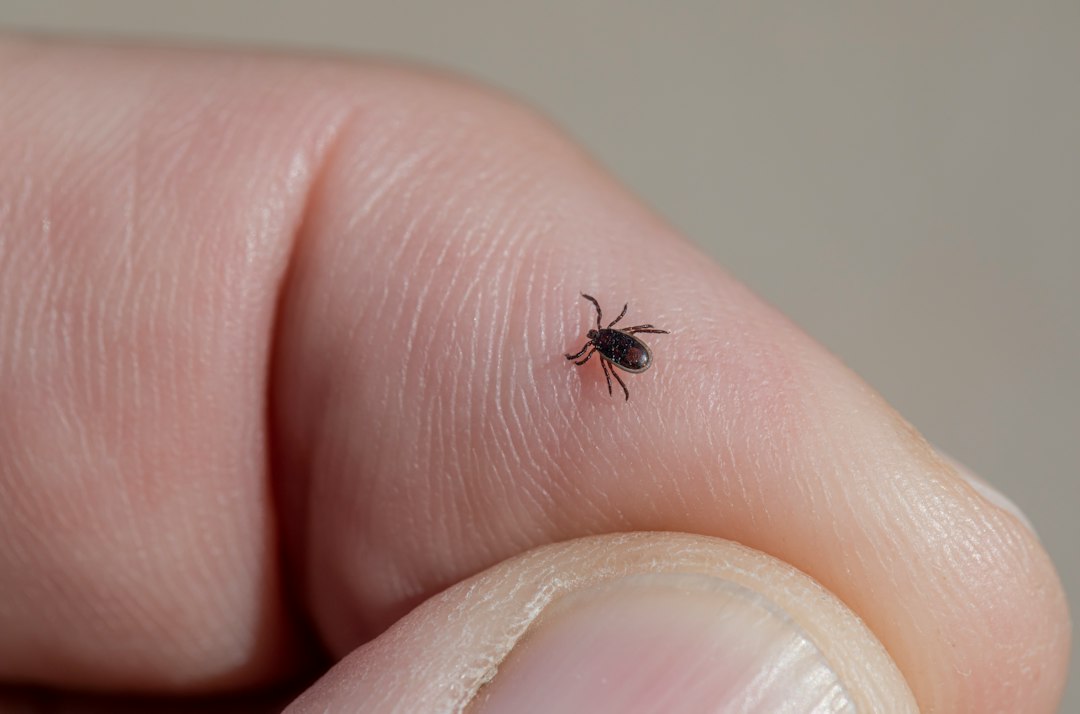
Living in the beautiful NJ Highlands, especially here in Warren County, means embracing the great outdoors. But it also means living in dense tick territory. We've all heard the prevention advice – wear long sleeves, use repellent, do tick checks – but what happens when prevention fails? What to do after a tick bite often feels like a mystery, leaving many of us feeling anxious and unsure. That's why I want to share some crucial insights into the immediate aftercare, focusing on the critical first 48 hours following a tick encounter.
As a fellow resident who understands the concern, I know the difference prompt, informed action can make. It's not just about getting the tick off; it's about what you do next to protect yourself and your family from potential tick-borne illnesses like Lyme disease. Let's dive into the essential steps you need to take right away.
Immediate Action: The Right Tick Removal Steps
Finding a tick embedded can be unnerving, but staying calm is key. Your first priority is safe and complete removal, as quickly as possible. The longer a tick is attached, the higher the risk of disease transmission. Proper `tick removal steps` are critical to minimize this risk.
Here’s exactly how to remove a tick safely:
- **Gather Your Tools:** You’ll need fine-tipped tweezers. Avoid using your fingers, matches, nail polish, or petroleum jelly, as these methods can irritate the tick and cause it to inject more saliva (and potential pathogens) into your skin.
- **Grasp Close to the Skin:** Use the tweezers to grasp the tick as close to the skin's surface as possible. Avoid squeezing the tick's body, which can force fluids into your bloodstream.
- **Pull Upward with Steady Pressure:** Pull straight upward with steady, even pressure. Do not twist or jerk the tick, as this can cause its mouthparts to break off and remain in the skin. If mouthparts do remain, try to remove them with tweezers. If you can't, don't worry too much; they usually fall out on their own.
- **Clean the Bite Area:** After removing the tick, thoroughly clean the bite area and your hands with rubbing alcohol, an iodine scrub, or soap and water.
- **Dispose of the Tick:** To prevent further infestation, dispose of a live tick by placing it in alcohol, sealing it in a plastic bag or container, wrapping it tightly in tape, or flushing it down the toilet. Do not crush it with your fingers.
Remember, prompt removal significantly reduces your risk. Don't delay, even if you're not sure how long it's been there.
Post-Removal Care: Cleaning and Monitoring the Bite Site
Once the tick is gone, your attention shifts to the bite site itself and the crucial observation period. Proper post-removal care helps prevent localized infection and sets the stage for detecting potential broader issues. Don't underestimate the importance of documenting what you see.
Start by cleaning the bite area again with an antiseptic solution. This helps reduce the risk of secondary skin infections. Then, make a note of the date and location of the bite on your body. Taking a picture of the bite area immediately after removal can also be incredibly helpful for future reference.
For the next several days to weeks, closely monitor the bite site for any changes. It’s normal for a small red bump to appear right after a bite, similar to a mosquito bite. This isn't usually a cause for concern. However, pay close attention to any expanding redness, rash, or changes in the area. Keeping track of how it looks and feels is your best defense.
Understanding Lyme Disease & Other Tick-Borne Illnesses: When to Watch for Symptoms in NJ
This is where vigilance truly comes into play, especially for those of us in the NJ Highlands. While Lyme disease is the most well-known, ticks can transmit several other illnesses. Knowing `lyme disease symptoms nj` and other potential signs is vital for early detection and treatment.
Lyme disease is caused by the bacterium *Borrelia burgdorferi* and is transmitted through the bite of infected blacklegged ticks (also known as deer ticks). The most distinctive early symptom is the "bull's-eye" rash, medically known as erythema migrans (EM). This rash typically appears 3 to 30 days after the bite, expanding slowly over several days. It can be warm to the touch but is rarely itchy or painful. Crucially, not everyone with Lyme disease gets this rash, and it might not always look like a perfect bull's-eye.
Beyond the rash, early `lyme disease symptoms nj` can also include flu-like symptoms such as fever, chills, headache, fatigue, muscle aches, and swollen lymph nodes. These can appear even without the distinctive rash. It's easy to dismiss these as a common cold or flu, but if you've had a tick bite, they warrant immediate attention. Other tick-borne diseases prevalent in our area, like Anaplasmosis and Babesiosis, can also present with similar non-specific flu-like symptoms, sometimes with added nausea, vomiting, or joint pain. If you experience *any* of these symptoms after a tick bite, contact your doctor.
When to Call Your Doctor: Don't Hesitate
Knowing when to seek professional medical advice is perhaps the most important part of tick bite aftercare. It's always better to err on the side of caution, especially when dealing with potential tick-borne illnesses. Your doctor is your best resource for guidance and treatment.
You should definitely contact your doctor if you experience any of the following:
* **An expanding rash:** This includes the classic "bull's-eye" rash or any other persistent, growing redness around the bite area. Remember, this can appear days or even weeks after the bite.
* **Flu-like symptoms:** Fever, chills, headache, fatigue, or muscle aches that develop after a tick bite, even if you don't see a rash.
* **Joint pain or swelling:** Especially if it’s unexplained and appears weeks after a tick bite.
* **Facial palsy or nerve issues:** Though less common in early stages, facial drooping or numbness can be a sign of advanced Lyme.
* **You're unsure about the tick species or how long it was attached:** While not a definitive reason for treatment, your doctor can assess your individual risk factors.
* **You couldn't remove all of the tick:** Even if only mouthparts remain, your doctor may want to monitor the site or offer advice.
Don't wait for severe symptoms. Early diagnosis and treatment, particularly with antibiotics, are highly effective for most tick-borne diseases. Provide your doctor with as much detail as possible about the bite – when it happened, where it was, and any symptoms you're experiencing.
People Also Asked About Tick Bite Aftercare
We know you have questions, and rightly so. Here are some of the most common concerns people have after a tick bite:
What happens if you don't remove a tick head?
If the tick's head or mouthparts break off and remain embedded in your skin, don't panic. Often, your body will naturally expel them over a few days, similar to a splinter. The main concern is irritation or a localized skin infection at the site, not necessarily an increased risk of disease transmission, as the tick's body (where the bacteria reside) has been removed. However, if the area becomes red, swollen, painful, or you see pus, contact your doctor.
Should I go to the doctor after a tick bite?
You don't necessarily need to rush to the doctor immediately after *every* tick bite, especially if you removed it quickly and completely. However, you *should* contact your doctor if you develop any symptoms like a rash, fever, headache, or joint pain in the days or weeks following the bite. Also, if you're concerned about the type of tick, how long it was attached, or if you couldn't remove it completely, a call to your healthcare provider for guidance is always a good idea.
How long do you have to get Lyme disease after a tick bite?
Symptoms of Lyme disease, particularly the characteristic bull's-eye rash, typically appear anywhere from 3 to 30 days after the tick bite. Other early symptoms like fever, headache, and fatigue can also manifest within this timeframe. It's important to monitor yourself for several weeks after a known tick bite.
Is every tick bite dangerous?
No, not every tick bite is dangerous. Many ticks do not carry pathogens, and even if a tick is infected, disease transmission is not guaranteed. The risk depends on factors like the type of tick, whether it's infected, and how long it was attached to you. Prompt and proper removal significantly reduces the risk of disease transmission. However, given the prevalence of tick-borne illnesses in our region, it's prudent to always take tick bites seriously and monitor for symptoms.
Staying Vigilant in the NJ Highlands
While the NJ Highlands offer unparalleled natural beauty, they also demand our respect for the wildlife, including ticks. Understanding `what to do after a tick bite` is just as important as prevention. By following these `tick removal steps`, monitoring the bite site, and knowing the `lyme disease symptoms nj` to watch for, you empower yourself to act decisively and protect your health.
Remember, early intervention is your best defense against tick-borne illnesses. Don't hesitate to reach out to your healthcare provider if you have any concerns or experience symptoms after a tick bite. Your well-being is worth the call.
